湖南卫视春晚2021年免费观看
视频简介
这个剧改编自约翰·布汀的同名小说,描写了40至50年代在洛杉矶警察局长William Parker和拳击手改行的黑老大Mickey Cohen之间的斗争。。讲述山村小伙张来福到城里打工,却不想刚下火车就被偷了钱包,万般崩溃之际遇到了吕氏集团的周温良,因长相跟吕氏集团出车祸的少爷十分相似,被周温良拉来当替身稳固吕氏集团的股份和利益;张来福经过严苛的训练从农村小伙转变成商界大少,殊不知自身已被卷入一场设计好的阴谋之中……。Eburi is a 36 year-old man. Nothing enthuses him any more. While being drunk, he promises to contribute a story to a magazine. When he sobers down, he decides to write about the life of a salaried employee like himself who is very ordinary, not particularly talented. The following is his story: In 1949, Eburi gets married to Natsuko. His monthly salary is 8,000 yen and hers 4,000 yen. Therefore, both have to work to support themselves. Eburi has developed a habituIl tendency to pester around when he gets drunk. One year after their marriage, son Shosuke is born. In 1959, Eburi's mother dies in despair of her husband who has become listless due to the several ups and downs of gaining big profits and going bankrupt. His father is still alive and Eburi is enable to find a way to pay his father's debts. He is doubtful if he can make his wife and child happy. Nevertheless, he has somehow managed to survive so far, living in one of the houses at the employee housing quarters. He gives the title "The Elegant Life of Mr. Everyman" to his story of half novel and half essay style. When it is published, it receives the Naoki Literary Prize (the award given in memory of popular writer Naoki Sanjugo). At a party to celebrate his award, he gets drunk and pesters around. Notes The film is based on a novel written in the style of an essay under the same title by Yamaguchi Hitomi, depicting everyday life of a man categorized as "During-the-war Generation" who spent school days during the war and get married to start new life in the struggling post-war era. "Everyman" in the title means an average salaried employee who makes up an overwhelming majority of the city population in Japan, and "The Elegant Life" indicates sarcasm on betterment of the standard of living of ordinary salaried employees accompanied with Japan's economic growth after only a decade from the destroyed post-war period. As depicted in the film, the author Yamaguchi Hitomi was awarded the Naoki Literature Prize for this story. When he established himself well enough to become independent, he quit working as a salaried employee. Director Okamoto Kihachi and the leading actor Kobayashi Keiju belong to the same generation as the author. Exploiting innovative effects such as inserting animation sequences, the film humorously presents compassion of a middle-aged salaried employee. Kobayashi Keiju, who was originally noted for his excellent portrayal of salaried employee, won the best leading actor award of the Mainichi Film Contest for his superb performance in this picture.。
标签
选择播放
相关推荐

新宝可梦

致英格兰

特别输送

歌手2026

喜剧之王单口季第三季
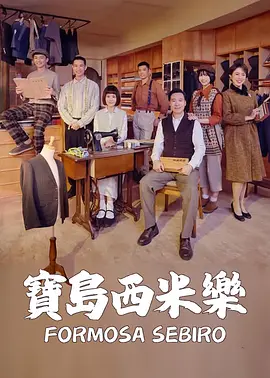
宝岛西米乐

明星算算锅

灿如繁星

月光壁垒

天赐的声音第七季

世界在起舞

非份之罪国语
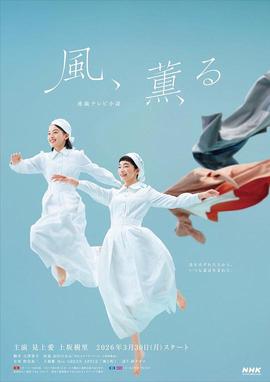
风,带有香气

小姐不熙娣

为爱闪耀的她

非份之罪粤语

悬案

明天也要上班!

吞噬星空

医到孤岛爱上你

奔跑吧第十季

云秀行

摩绪
